Author name: Admin

How to Maintain Radiant Floor Heating Systems for Long-Term Use
Floor Heating Tips

How to Maintain Radiant Floor Heating Systems for Long-Term Use

Radiant floor heating systems offer a comfortable and energy-efficient way to warm up your home. They’re quiet, hidden beneath the floor, and give consistent heat without blowing air. But just like any other home system, they need care to keep working properly over the years. Your radiant heating system can last for decades with proper maintenance. Here we will explain how to maintain radiant floor heating systems in simple steps so you can enjoy long-term comfort and efficiency. 1. Know Your System Type Before starting any maintenance, it’s important to understand what type of radiant heating you have: Hydronic (Water-Based): Uses warm water pumped through pipes under the floor. Electric: Uses electric heating cables or mats installed beneath the flooring. Each type has different maintenance needs, so knowing your system helps you take better care of it. 2. Regular Inspections Are Key Have your system checked by a professional at least once a year. This helps catch small issues before they become big problems. A trained technician can: Check for leaks or air pockets in hydronic systems Test the thermostat and electrical connections Inspect the pipes, pumps, and controls Make sure even heat distribution across floors Annual inspections give peace of mind and help your system last longer. 3. Keep an Eye on Your Thermostat Your thermostat is the control center of your radiant heating system. If the temperature doesn’t feel right or if rooms heat unevenly, it might be time to adjust or replace the thermostat. Here’s what you can do: Make sure settings are accurate Replace batteries (if required) Clean the dust around the thermostat Upgrade to a programmable thermostat for better control A smart or programmable thermostat can save energy and keep your floors at the right temperature. 4. Flush the System (Hydronic Only) For water-based radiant systems, flushing the pipes every few years helps remove buildup and sediment that may block the flow of warm water. This is a job best handled by a heating professional. Prevents clogging and rust Keeps the water flow smooth Helps maintain heating efficiency Don’t try to flush the system yourself unless you are trained to handle it. 5. Look Out for Leaks or Cold Spots Leaks in a hydronic system can lead to reduced efficiency and water damage. If a certain spot on your floor is always cold or damp, it could be a sign of a hidden leak. Catching leaks early can save you a lot of time and money. 6. Avoid Flooring Damage The type and condition of your flooring affect how well the radiant heat works. Damaged or loose floors can block heat or cause uneven warming. It’s important to be careful when making changes to your floors, especially if they have heating underneath. Aoid drilling or nailing into areas where heating cables or pipes are installed. Thick rugs or furniture that blocks airflow can trap heat, so use them sparingly. Keeping your floors clean and dry will also help with heat distribution. If you notice any cracks, loose tiles, or damage to the flooring, get them repaired as soon as possible to keep the system working smoothly. Maintaining your floors helps the heat move through evenly and safely. 7. Watch for Strange Noises or Odors Radiant heating is quiet, so if you hear odd sounds like hissing or gurgling (in hydronic systems), it may indicate air in the pipes or a pressure problem. Also, any burnt smell from an electrical system should be checked immediately. Noises = possible trapped air or system pressure issues Smells = possible electrical or overheating issues Don’t ignore these signs. Turn off the system and call a technician. 8. Check for Energy Efficiency Keep an eye on your energy bills. If they suddenly go up without any change in usage or weather, your system may not be running efficiently. In this case: Have the system inspected for blockages Make sure the settings are correct Consider upgrading old controls Efficient systems save you money and work better in the long run. 9. Protect the System During Renovations If you plan any home renovations, especially involving flooring, make sure your radiant system is protected. Inform contractors in advance and let them know where the heating system is installed under the floor. Mark those areas clearly to avoid accidental damage. During the renovation, be careful not to place heavy equipment on heated floors, and never allow drilling or cutting without confirming it’s safe. After the work is complete, it’s a good idea to have a heating expert inspect the system to ensure nothing was disturbed or damaged during the process. 10. Schedule Professional Maintenance Even if everything seems fine, it’s smart to have your system professionally checked at least once a year. Heating technicians can spot things you might miss, ensure everything runs efficiently, and extend the life of the system. Maintaining your radiant floor heating system is not hard, but it is important. With regular checkups, a little care, and attention to warning signs, your system will provide steady, comfortable heat for many years. If you’re in Toronto and need expert help with your radiant floor heating system, Radiant Floorify is here to assist. From regular checkups to full-service repairs, our experienced team ensures your floors stay warm and efficient. Contact us to book a service today and keep your system in top shape year-round.

What Type of Flooring Is Best for Radiant Heat in Toront
Floor Heating Tips

What Type of Flooring Is Best for Radiant Heat in Toronto?

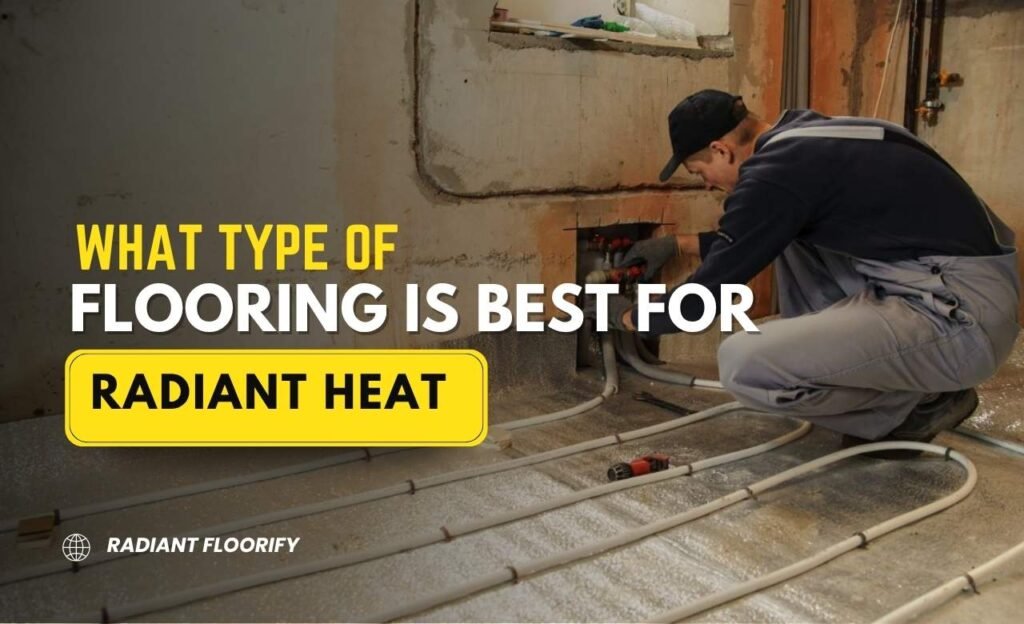
Radiant floor heating is a popular choice for homeowners in Toronto who want warm, comfortable floors during cold months. It’s silent, energy-efficient, and works well with different types of floors. But not all flooring materials are equal when it comes to radiant heating. Some materials conduct heat better and make the system more effective. We explain which flooring types are best for radiant heat in Toronto homes: Why Flooring Type Matters with Radiant Heating Radiant heating works by sending warmth up from the floor. The type of floor you choose affects how quickly and evenly the heat spreads. Materials that are dense and conduct heat well, like tile and stone, are better choices. If the material blocks or slows down heat, you won’t feel the full benefit of your heating system. 1. Ceramic and Porcelain Tile – Best Overall Option Tiles are one of the best choices for radiant heat. They conduct heat very well and hold it for a long time. This means your room stays warm even after the system turns off. They’re also waterproof, easy to clean, and perfect for kitchens, bathrooms, and basements. Pros: Excellent heat transfer Durable and water-resistant Long-lasting warmth even after the heating turns off Best For: Any room, especially bathrooms and kitchens in Toronto homes. 2. Natural Stone – Great Heat Conductor Stone floors, like slate, marble, or granite, are also great with radiant heating. They heat up quickly and hold warmth very well. Stone gives a luxurious feel to the space and works well in both traditional and modern homes. Pros: High heat retention Stylish and strong Great for high-end interiors Naturally water-resistant Adds long-term value to your property Best For: Entryways, bathrooms, and open living areas. 3. Engineered Wood – Better Than Solid Wood Many homeowners love the look of wood. Engineered wood is better than solid hardwood for radiant floors because it handles temperature changes better. It’s made in layers, which makes it less likely to warp. Pros: Looks like real wood More stable than solid hardwood Available in many finishes and styles Works well with modern and classic interiors Best For: Living rooms and bedrooms where you want a warm, natural look. Note: Always check with the manufacturer to make sure the product is approved for use over radiant heating. 4. Luxury Vinyl Planks (LVP) – Budget-Friendly Choice Luxury vinyl flooring is gaining popularity because it’s affordable and stylish. Some types of LVP can be used with radiant floor heating, but make sure to check the temperature limit. Vinyl doesn’t hold heat as long as tile or stone, but it still warms up well. Pros: Affordable and easy to install Resists moisture Comfortable underfoot Comes in a wide range of styles Easier to clean than carpet Less likely to crack or chip compared to harder materials Best For: Bedrooms, basements, and rental properties. 5. Laminate Flooring – Caution Needed Laminate can work with radiant heat, but not all brands are suitable. It’s important to use products labeled safe for radiant floors. Poor-quality laminate can warp or get damaged from heat. Pros: Budget-friendly wood look Quick installation Cons: It may not last as long as other options Risk of damage if the wrong type is used Best For: Temporary solutions or low-traffic areas. 6. Carpet – Use with Care Carpet is not the best choice for radiant heating, but it can work with the right kind. Thick carpets and dense padding can trap heat. Use low-pile carpet and thin padding labeled for radiant heat to get better results. Pros: Soft and warm feel Cons: Slows down heat transfer Not as efficient as hard flooring Best For: Bedrooms or areas where comfort matters more than efficiency. 4 Things to Consider Before Choosing Flooring Before picking your flooring, here are a few tips to keep in mind: Check Compatibility: Always confirm that your chosen flooring is safe for radiant heating. Mind the Temperature Limits: Some materials, like vinyl and laminate, have a temperature limit. Going above it may damage the floor. Moisture Levels: For basements or bathrooms, pick waterproof or water-resistant flooring. Installation Matters: Professional installation ensures better heat transfer and long-term durability. Ready to Warm Up Your Floors? The type of flooring you install over radiant heating can make a big difference in how well it works. In Toronto’s cold weather, floors like tile, stone, and engineered wood help keep the warmth steady and strong. Make sure the material is right for your room and always follow the instructions from the manufacturer. If you’re unsure which flooring works best for your radiant heating system, Radiant Floorify can help. We offer expert advice and professional installation services across Toronto. Visit Radiant Floorify to schedule a consultation today and keep your floors warm and efficient all year round.

Signs Your Radiant Floor Heating Needs Servicing
Floor Heating Tips

5 Signs Your Radiant Floor Heating Needs Servicing

Radiant floor heating is a great way to keep your home warm and cozy, especially during cold Toronto winters. It provides steady, consistent heat from the ground up, making every room feel more comfortable. This type of heating also eliminates the need for noisy vents or dusty ducts. But like any home system, it needs attention from time to time. If you ignore small issues, they can turn into costly repairs, reduce energy efficiency, and even shorten the life of the system. Here are five simple signs that your radiant floor heating system may need servicing: 1. Uneven Heating Across Rooms If some rooms are toasty warm but others feel chilly, this could be a clear sign of a problem. Radiant floor heating is designed to spread heat evenly throughout your home. When this doesn’t happen, it usually means the system isn’t working as it should. The issue could be minor, but it’s best to fix it early before it becomes serious. There might be air trapped inside the hydronic pipes. The system layout may not be distributing heat correctly. The thermostat could be malfunctioning or not sensing temperature accurately. 2. Unusual Increase in Energy Bills A sudden spike in your heating bill without any big change in weather or usage could mean your system is working harder than it should. This usually points to a hidden problem, like poor heat transfer or system inefficiency, that needs professional attention. 3. Cold Floors When the System Is On If your floors remain cold even though your system is turned on, something isn’t right. This could be due to a malfunctioning heating cable (electric system) or a blockage in the pipes (hydronic system). It’s best to get this checked before it worsens. 4. Strange Noises or Smells Radiant heating is normally silent. So if you start hearing odd sounds like gurgling, clicking, or hissing, especially from a hydronic system, it could mean something is wrong. These sounds often suggest that air is trapped in the system, or there may be a leak that needs fixing. If you also notice strange smells, that’s another red flag; there might be an electrical issue or a part getting too hot. These problems shouldn’t be ignored, as they can lead to bigger repairs later. Air bubbles could be stuck in the water pipes. Leaks might be forming inside the system. Wiring problems could be causing components to overheat or burn. Smells might signal overheating or burning inside the unit. 5. Thermostat Isn’t Responding Properly Your thermostat controls the radiant heating system. If it doesn’t respond when you try to adjust the temperature or if it shows the wrong room temperature, there may be a wiring issue or a problem with the sensor. In some cases, the thermostat may also lose connection with the heating system or have outdated settings that affect its performance. This can lead to inconsistent heating or cause the entire system to stop working. The thermostat may have a dead battery or a power issue. Wiring between the thermostat and the system could be loose or damaged. Software or setting errors may be preventing proper operation. Get It Checked Before It Gets Worse If you notice any of these signs, it’s time to call a professional. Radiant Floorify offers expert radiant floor heating services in Toronto, including inspection, repair, and full system maintenance. Their experienced team can assess your system, spot any problems, and get everything working smoothly again. Regular servicing not only prevents breakdowns but also improves energy savings and keeps your home comfortable all season long. Don’t wait for minor issues to become major repairs. Contact Radiant Floorify today and keep your home warm, safe, and efficient all year long.

Radiant Heating vs. Baseboard Heating What’s Better for Your Home
Floor Heating Tips

Radiant Heating vs Baseboard Heating What’s Better for Home

Heating plays a key role in shaping the comfort and energy performance of any home. Among the modern solutions available today, radiant floor systems and baseboard heaters are two widely used options, each with its way of delivering warmth. Understanding how they function and what they offer is essential for making an informed and future-ready heating decision. Radiant heating, in particular, stands out for its advanced efficiency and comfort benefits. How Each System Works Radiant heating warms the floor directly using either electric coils or water-filled tubes. The heat then rises gently, warming the entire room evenly from the ground up. Baseboard heating uses electric heating elements placed along the base of walls. The system heats the air around it, which then circulates through the room naturally. Side-by-Side Comparison Table Comfort and Coziness Radiant heating delivers cozy heat evenly across the room, making it more comfortable. Radiant heating has warm floors, rooms feel cozier, and heat is better retained. Baseboard systems often leave cold spots and uneven temperatures. Energy Use and Cost Over Time While baseboard heaters may cost less to install, they can be more expensive to run in the long term. Radiant heating systems work at lower temperatures and use less energy to maintain consistent warmth. This leads to long-term savings on energy bills. Maintenance and Noise Radiant systems are almost maintenance-free. Once installed, they rarely need servicing and don’t make noise. Baseboard units can collect dust, require cleaning, and may occasionally click when heating up or cooling down. Space and Interior Design Because radiant systems are installed under the floor, they don’t take up any room space. Baseboard heaters, on the other hand, are bulky and visible, which can limit furniture placement and affect your room layout. Health and Air Quality Radiant heating works without moving air, which means it doesn’t spread dust or allergens. This creates a cleaner indoor environment and is a good option for people with allergies or breathing issues. Baseboard systems move air slightly, which may stir up particles in the room. Best Use Cases Radiant heating is ideal for whole-home comfort, especially in areas where steady, quiet warmth is desired. It works well in: Bathrooms Bedrooms Living rooms Kitchens Baseboard heaters might still be suitable for small rooms, cabins, or places where budgets are tight and installation needs to be quick. Upgrade Your Home Heating with a Smarter Choice If comfort, efficiency, and clean heat matter to you, radiant floor heating stands out as the better option. While baseboard systems are familiar and simple, they can’t match the long-term comfort and energy savings of radiant solutions. To explore better home heating, visit our Radiant Floor Installation Service page. Radiant Floorify helps you find the right solution for modern living. Enjoy steady warmth, lower energy use, and clean, silent heat beneath your feet. It’s a difference you can feel every day.

Eco-Friendly Heating in Canada and how Radiant Floors Save Energy
Floor Heating Tips

Eco-Friendly Heating in Canada: Radiant Floors Save Energy

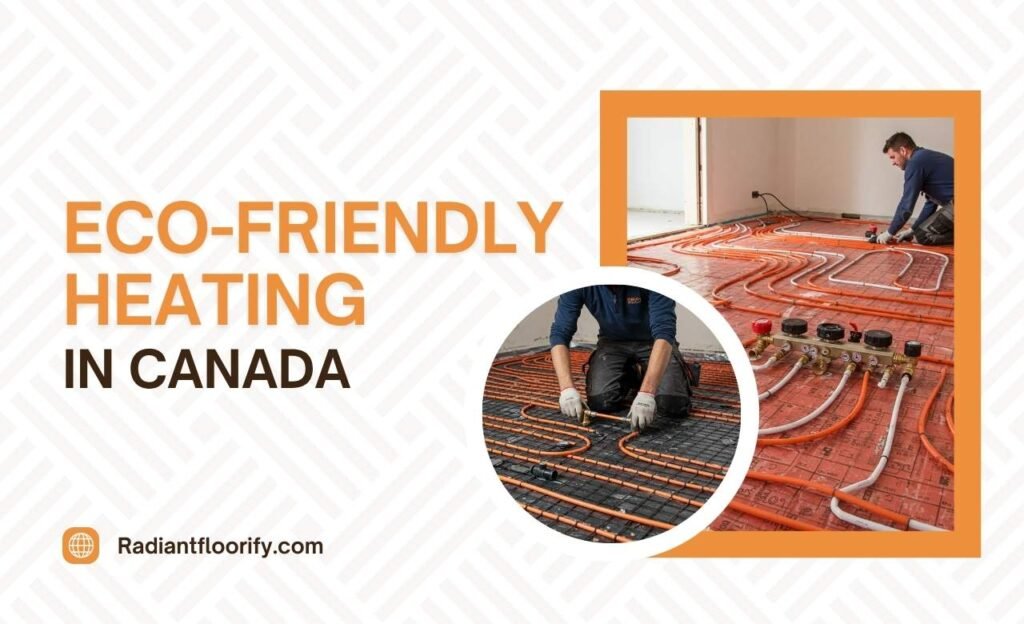
Heating is one of the biggest energy needs in Canadian homes. Many families rely on heating systems for months at a time with long winters and freezing temperatures. But not all heating methods are equal when it comes to energy use and environmental impact. One smart and eco-conscious solution gaining popularity is radiant floor heating. We will explore how radiant floors work, why they’re more energy-efficient, and how they contribute to a greener and more comfortable living environment. Why Eco-Friendly Heating Matters in Canada Canada has one of the highest energy consumption rates per household globally, and a large part of that is due to heating. Traditional systems like forced-air furnaces and baseboard heaters consume a lot of power. They often lose heat through ducts, vents, and poor insulation. Eco-friendly heating systems help reduce this waste. They use less energy, lower emissions, and often create a more consistent indoor climate. This isn’t just good for the environment, it also means lower bills and better comfort. What Makes Radiant Floor Heating Eco-Friendly? Radiant floor heating works by installing heating elements or water-filled tubes under the floor. These gently warm the surface, which then spreads heat upward into the room. Because the heat rises naturally and is evenly distributed, the room warms up efficiently. Here’s how radiant floors help reduce energy waste: 1. Lower Operating Temperatures Radiant heating doesn’t need high temperatures to keep a room warm. In fact, most systems operate efficiently at much lower temperatures than traditional heaters. This means less energy is used to achieve the same comfort level. 2. No Heat Loss Through Ducts Traditional forced-air systems often lose heat through leaky ducts or uninsulated spaces. Radiant heating systems don’t rely on ductwork, so there’s no energy loss in transit. 3. Even Heat Distribution Radiant floors heat the entire surface of a room, not just one corner or a single vent. This creates a more even temperature across the space. When the room feels warmer overall, people tend to set the thermostat lower, which saves energy. 4. Zoned Heating Capabilities Radiant systems can be installed in zones. That means you can heat only the areas in use, rather than the entire house. For example, heating just the living room in the evening instead of the whole house reduces energy use. 5. Compatible with Renewable Energy Sources Radiant heating systems, especially hydronic (water-based) ones, can work well with solar panels, geothermal systems, and other green energy sources. This makes it easier for households to reduce their carbon footprint. Ideal Applications for Radiant Heating in Canada Radiant floor heating works well in many areas of the home. It’s especially effective in: Bathrooms and kitchens where the floors can get cold Bedrooms and living areas for steady warmth Basements that are often chilly Homes with good insulation and sealed flooring benefit the most, but radiant heating can be installed during renovations or in new builds for excellent long-term results. Long-Term Benefits for Homeowners Besides reducing energy waste, radiant floor heating has lasting value for homeowners. 1. Energy Bill Savings Over time, homeowners often see lower heating bills thanks to better efficiency. Even though installation costs can be higher upfront, the energy savings make it worth it in the long run. 2. Increased Comfort and Quiet Radiant systems are silent and eliminate the drafts and noise of other heating systems. That means more peace, less dust, and steady warmth all day. 3. Low Maintenance Once installed, radiant floor systems require very little upkeep. There are no filters to change or fans to clean — just reliable warmth from beneath your feet. 4. Property Value Eco-friendly upgrades like radiant floors can improve the resale value of your home. Buyers appreciate energy-efficient features and modern heating solutions. Installation Process and Considerations Radiant heating can be electric or hydronic. Electric systems are great for smaller spaces like bathrooms, while hydronic systems are better for whole-home installations. They work well with many flooring types, including tile, laminate, and engineered wood. Installation is easier during new construction or large renovation projects, but retrofit options are available too. If you’re already replacing your floors, it’s the perfect time to consider installing radiant heat. How Radiant Heating Compares to Other Eco Options When looking at eco-friendly heating, radiant floors stand out because they combine comfort, efficiency, and simplicity. Compared to baseboard heaters, heat pumps, and high-efficiency furnaces, radiant systems offer: Better temperature control Lower ongoing energy use A clean and invisible system In combination with green insulation, smart thermostats, and renewable power sources, radiant floor heating can play a key role in creating an energy-conscious home. Make Smart Heating Part of Your Home’s Future If you’re thinking about energy savings, comfort, and eco-friendly upgrades, radiant floor heating is a solution that truly makes a difference. It helps reduce waste, cuts down on your utility bills, and gives you the comfort that traditional systems can’t match. To explore your options, check out our Radiant Floor Installation service. Radiant Floorify is committed to helping you build a more energy-efficient future. Start making your home more comfortable, quiet, and environmentally friendly today, because smart heating is better for your life and better for the planet.

Electric radiant floor heating vs hydronic radiant heating​ (Which one is better)
Floor Heating Tips

Electric vs Hydronic Floor Radiant Heating – Which One You Choose?

Radiant floor heating is an excellent way to bring consistent and silent warmth to your space. But when choosing a system, many homeowners face the question: Electric or hydronic? Instead of claiming one is better than the other, it’s more helpful to understand how both work and choose the system that fits your home, lifestyle, and budget best. Below is a detailed comparison of the two main types of radiant heating: Electric Radiant Floor Heating: A Smart Choice for Smaller Spaces Electric Radiant Floor Heating systems are ideal when you’re renovating a bathroom, kitchen, hallway, or other targeted space. The electric mats or cables are thin, easy to install, and don’t require bulky equipment. If your goal is to enjoy warm floors in just a few rooms, this option offers convenience and lower upfront costs. They also heat up fast and are great for areas where quick warmth is needed without waiting. For homeowners looking for energy-efficient heating in smaller zones or renovated spaces, electric radiant heating is an excellent solution. Hydronic Radiant Heating: The Efficient Solution for Whole-Home Heating If you’re building a new home or remodeling a large area, Hydronic Heating Solutions provides long-term comfort with excellent energy savings. This system circulates warm water through a closed-loop pipe system under the floor, delivering consistent and efficient heat throughout larger zones. While the installation cost is higher, especially due to the need for a boiler and plumbing, the system is incredibly efficient in the long run. It works well with various fuel types, including gas, making it a good choice for eco-conscious homeowners and those heating larger areas. How to Decide Which System Is Right for You Choosing between electric and hydronic comes down to your space, project scope, and long-term goals: Choose Electric Radiant Floor Heating if you’re working on a small renovation, want fast installation, or only need heat in a few select rooms. Choose Hydronic Radiant Heating if you’re building a new home, remodeling a large area, or want an energy-efficient whole-house heating system. You can even mix both, electric for your bathrooms and kitchen, and hydronic for your basement or entire home. Let Radiant Floorify Help You Choose the Perfect System Still not sure which one suits you best? Radiant Floorify offers both Electric Radiant Floor Heating and Hydronic Heating Solutions, installed by experienced professionals across Toronto. If you live in Toronto and want a heating system that fits your home and lifestyle, we’ll assess your space, energy goals, and layout to guide you toward the perfect solution. Our team makes the process simple, efficient, and personalized. Contact us now for expert local service and a customized radiant heating plan fitted to your Toronto home.

Can i install radiant floor heating myself​
Floor Heating Tips

Can You Install Radiant Floor Heating Myself? (Answered)

No, you should not install radiant floor heating yourself. It’s not a simple DIY job. Radiant floor heating systems involve electrical wiring or water pipes under your floor, which require professional knowledge, tools, and precision. Mistakes can lead to serious problems like water leaks, electrical hazards, inefficient heating, or damage to your flooring that could cost a lot to fix. Now let’s explain why in detail and why you should not do it: Why It’s Not a Good DIY Project Radiant floor heating may sound simple, but the system behind it is highly technical and sensitive. There are two main types: Electric radiant heating (uses cables or mats under the floor) Hydronic radiant heating (uses heated water pipes under the floor) Both require careful planning, proper heat load calculations, safe installation, and detailed testing. If you try doing it yourself without the right knowledge, you may: Place the heating cables unevenly Fail to insulate properly Damage the system during flooring installation Create electrical or water safety issues Void your product warranty due to improper handling Tools and Skills Required Professional installers use specialized tools and follow strict safety codes. Here’s what’s typically involved: Electrical work: Installing thermostats and connecting power lines Plumbing (for hydronic): Setting up manifolds, connecting pumps and pipes Flooring expertise: Ensuring compatibility with tiles, wood, vinyl, or concrete Insulation: Placing thermal insulation boards to stop heat loss Without expertise in all these areas, the risk of a faulty system is very high. Common and Costly Mistakes Homeowners Make During DIY Installation Even with good intentions, many homeowners make errors that affect both the performance and lifespan of radiant floor heating systems. These mistakes not only reduce comfort but can also lead to expensive repairs or even safety concerns. 1. Overheating the floor If cables or pipes are too close or improperly set, your flooring can warp or crack. This may also create heat spots that make walking barefoot uncomfortable and may even damage sensitive flooring materials. 2. Cold spots Uneven layout causes parts of the floor to stay cold while others heat up. This inconsistency reduces overall comfort and wastes energy, especially in colder areas of the home. 3. Leaks and electrical shorts Water leaks in hydronic systems or shorts in electric systems can cause structural damage. These hidden issues can result in mold growth, water damage, or fire risks if left unaddressed. 4. Reinstallation costs If a mistake happens, the whole floor may need to be removed for repairs. This could involve demolition, increased labor, and costly material replacement, turning a budget project into an expensive redo. What Qualified Professionals Do That DIY Installs Often Miss When you hire an expert, you get not just installation, but peace of mind. These professionals bring experience, accuracy, and guaranteed safety to your radiant floor heating setup: Accurate heat calculations for efficient performance Safe, code-compliant installation Warranty protection Quicker, cleaner installation process Recommendations for compatible floor types and thermostats Professionals also pressure-test and run diagnostics before finalizing the floor. When DIY Might Be Okay (But Still Risky) You might consider installing a simple electric mat system in very small spaces like a powder room or entryway. These are sold as DIY kits with basic instructions. However, even then, you must: Get an electrician for the final thermostat wiring Follow precise layout measurements Confirm warranty rules (some void DIY installs) Even in these limited cases, small errors can ruin the system or reduce its efficiency. A Better Option: Do Prep Work Yourself, Then Hire a Pro Want to save money without risking the system? Here’s a better way: Remove existing flooring and clean the subfloor Lay down insulation boards as per system instructions Purchase your preferred heating system kit Then, let a licensed installer handle the actual Radiant Floor Installation so it’s safe, long-lasting, and efficient. Think Long-Term, Not Just Short-Term Costs DIY might look cheap upfront, but it can lead to: Higher energy bills from a poor heating layout Costly flooring damage repairs Electrical or water hazards Warranty issues A professionally installed system is a smart one-time investment that lasts for years. Get Expert Help from Radiant Floorify Avoid the risks of doing it yourself. Trust the experts at Radiant Floorify for proper and affordable radiant heating solutions. For complete and secure installation, visit their Radiant Floor Installation service page and get the warmth you deserve the right way. Let professionals handle the heat, while you enjoy the comfort.

Common Myths & Disadvantages About Radiant Floor Heating Debunked
Floor Heating Tips

Common Myths About Radiant Floor Heating Debunked (2025)

Radiant floor heating is one of the most comfortable and energy-efficient ways to heat a home. Yet, many homeowners are still unsure about it due to old beliefs and outdated information. The truth is, with modern advancements, radiant heating has become more reliable, faster, and suitable for almost every type of home and flooring. Let’s walk through the most common myths and set the record straight with facts: 1. Radiant heating takes too long to warm up Today’s systems are much more advanced. With proper insulation and the right installation, radiant floors begin to warm in as little as 30 to 60 minutes. When used with programmable thermostats, your floors can be cozy before you even step out of bed. 2. It only works with tile floors Radiant heating now works with a wide variety of floor materials, including engineered wood, laminate, luxury vinyl, and even carpet. It can be used effectively in bathrooms, living rooms, basements, and many other areas of the home. Thanks to recent technology improvements, these systems are now designed to adapt to different surface types without compromising heat distribution, comfort, or energy efficiency. This makes radiant heating a flexible option for nearly every room in the house. 3. It’s expensive to run Modern radiant floor heating systems, especially Electric Radiant Floor Heating, are energy-efficient and cost-effective. Because they heat the room evenly from the ground up, they don’t waste energy like forced-air systems. Monthly energy costs are often lower when paired with proper insulation. 4. It’s hard to install in existing homes Retrofitting is now easier than ever. Many systems are designed to be installed over existing subfloors with minimal construction. This makes it a great option during renovations or remodels. Can be installed over concrete, wood, or tile subfloors Ideal for remodels, basement upgrades, and bathroom refits No need for major demolition or structural changes Works seamlessly with modern electric or hydronic heating panels 5. Rugs or furniture will block the heat While it’s good to avoid extremely thick rugs or heat-trapping furniture, most area rugs and standard furnishings are perfectly safe. Radiant heating systems today are built to perform in typical household layouts without performance loss. The key is to ensure some airflow and avoid covering large areas with dense materials that can restrict heat flow. Modern radiant systems are designed to work smoothly in living spaces filled with furniture, allowing homeowners to enjoy warm floors without rearranging their entire room layout. 6. It’s unsafe or unreliable Professionally installed systems, especially Radiant Floor Heating, come with built-in safety features, sensors, and automatic shut-offs. Hydronic systems also operate at safe water temperatures. There is minimal risk involved when handled by certified experts. Is There Any Disadvantage of Radiant Floor Heating? No, there are no major disadvantages when installed by professionals. The systems are safe, long-lasting, quiet, and efficient. The only time radiant heating may cause issues is when it’s done incorrectly or with incompatible materials. But with proper guidance, you avoid all that. Radiant floors also require very little maintenance over time, unlike other heating systems that rely on filters, ducts, or fuel sources. They’re hidden, quiet, and more hygienic since they don’t blow dust around. Feel the Comfort with Radiant Floorify Stop worrying about outdated myths. Radiant Floorify brings you modern, professionally installed radiant heating solutions that work with your lifestyle and space, right here in Toronto. Our experts are trained to design the perfect system for your home and install it with precision, no matter the size or layout. Choose from our full range of options, including Advanced Radiant Floor Heating, and discover the difference warm floors can make, especially during Toronto’s cold winter months. Book your consultation today and experience the smarter, cozier way to heat your home in Toronto with Radiant Floorify.

Is Radiant Floor Heating Worth It for Toronto Winters
Floor Heating Tips

Is Radiant Floor Heating Worth It for Toronto Winters? (Answered)

Yes, radiant floor heating is worth it for Toronto winters. With long months of cold temperatures, icy mornings, and high heating bills, this system offers a reliable and comfortable way to stay warm indoors. Toronto winters are no joke. Temperatures often drop well below freezing, and traditional heating methods can struggle to keep homes evenly warm. Radiant floor heating works differently. It gently warms your floors from below and lets that heat rise evenly throughout the room, making your entire home feel comfortable from the ground up. How Radiant Floor Heating Systems Operate Radiant floor heating systems are installed beneath your flooring. They use either electric cables or water-filled tubes (called hydronic systems) to heat the surface. As the heat rises, it warms up the entire space evenly without blowing air like forced-air systems do. The result is a steady, quiet, and efficient form of warmth. No cold spots. No noisy fans. Just clean, gentle heat that feels natural and comforting, especially when you step out of bed on a winter morning. Top Reasons Radiant Heating Is a Smart Choice in Cold Weather Toronto’s climate plays a big role in why radiant heating is such a smart investment here. Winters are long and often harsh, with average daily temperatures from December to February staying below 0°C. Homes need reliable systems that don’t just work; they work well and efficiently. Radiant heating is a great match for this. It not only keeps your home warmer but does so using less energy in many cases. That means more comfort and lower bills. Here are the main reasons below: 1. Comfortable Living in Cold Months Radiant floor heating helps you enjoy: Warm floors throughout the home Even heat in every room A cozy feeling without needing to crank up the thermostat Instead of waiting for a room to “heat up,” radiant heat starts warming from the floor right away. You’ll notice the comfort difference almost instantly. 2. Energy Efficiency and Savings Hydronic radiant systems are especially known for their efficiency. They can run at lower temperatures than forced-air systems and still keep the room warm. This can lead to savings on your energy bill, especially throughout a long Toronto winter. Also, since the heat rises naturally and spreads evenly, you don’t lose energy through leaky ducts or blocked vents. 3. Quiet Operation There are no moving parts or blowing air in radiant systems. That means no noise just peaceful, silent warmth. It’s a subtle change that makes your home feel more relaxed and pleasant during winter. 4. Good for People with Allergies Radiant floor heating doesn’t stir up dust, pollen, or pet dander the way forced-air systems can. This is great for people with asthma or allergies. Cleaner air means healthier living. 5. Safe and Hidden Because everything is installed under the floor, you won’t see radiators, heaters, or vents around your home. That makes it safer for kids and pets while also giving you more freedom with furniture placement. 6. Long-Term Value Radiant heating systems, especially hydronic ones, are built to last. Once installed, they require very little maintenance. They add value to your home and are seen as a modern, energy-efficient upgrade by future buyers. Ideal Spaces to Experience the Warmth of Radiant Heating Radiant heating is ideal for areas where you want that extra feeling of warmth: Bathrooms Kitchens Bedrooms Living rooms Basements These are the places where Toronto residents feel the chill most, and radiant heating turns them into cozy retreats. Important Things to Know Before Installing Radiant Heating Radiant floor heating can be installed in both new builds and renovation projects. If you’re already planning to update your flooring, it’s the perfect time to install a system beneath. There are two main types: Electric systems – best for small areas like bathrooms. Hydronic systems – better for larger areas or whole-house heating. While the upfront cost is higher than traditional heaters, the long-term comfort, efficiency, and energy savings make it a smart investment. Why More People Are Choosing It Many Toronto homeowners are switching to radiant heating because it solves the most common winter complaints: Cold floors Uneven heating Dry air High energy bills This system delivers a better heating experience and fits well with the lifestyle of families, professionals, and retirees alike. Make Winter Comfortable and Efficient If you’re tired of uneven heat and cold spots in your home, radiant floor heating is one of the best decisions you can make. Radiant Floorify brings real comfort to your everyday life, especially during long, cold Toronto winters. It truly changes how your home feels, from better energy efficiency to quieter operation and warm floors underfoot. Learn more about options and installation through our Radiant Floor Installation service. Feel better indoors all season long, because your comfort matters every single day.

Benefits of Radiant Floor Heating in Canada
Floor Heating Tips

10 Benefits of Radiant Floor Heating in Canada

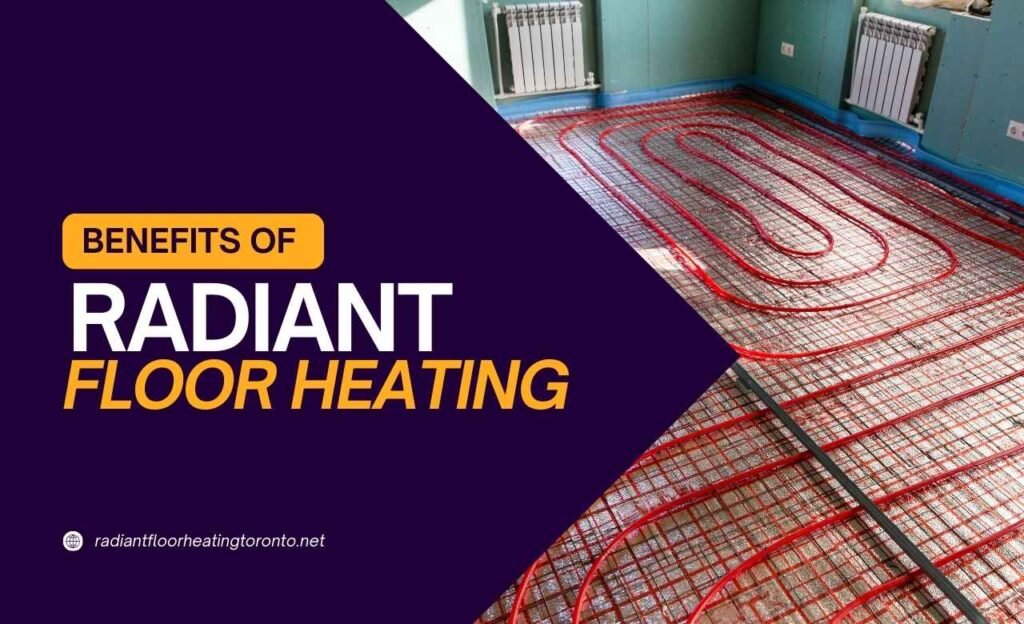
Radiant floor heating is becoming more popular across Canada, especially in colder cities like Toronto. This system warms your home from the floor up, giving you reliable, quiet, and even heating throughout your space. 1. Even Heat Distribution Radiant floor heating provides consistent warmth across the entire floor, avoiding hot and cold spots. It keeps every corner of the room equally warm and makes large open spaces feel comfortable throughout. 2. Energy Efficient Radiant heating uses less energy than traditional forced-air systems. Hydronic systems in particular, can use lower water temperatures to heat spaces efficiently. This means lower utility bills and more sustainable heating for your home. 3. Silent Operation There are no noisy fans or blowers with radiant heating. It runs quietly in the background without disturbing your peace, creating a more relaxed home environment. 4. Better Air Quality This system doesn’t blow dust, pollen, or allergens around your home. It helps improve indoor air quality, which is especially beneficial for allergy or asthma sufferers. Without air movement, rooms stay cleaner and fresher. 5. No Visible Equipment Since the system is installed beneath the floor, there are no radiators, vents, or grills taking up space. This leaves your walls and floors free for furniture or decoration, making your interiors look neat and modern. 6. Low Maintenance Radiant floor heating systems are built to last. Once installed, they require minimal to no maintenance over the years. You can enjoy dependable warmth without frequent servicing. These systems are known for their durability and reliability, even in harsh winter conditions. 7. Comfortable Warm Floors There’s nothing like stepping onto a warm floor during a cold Canadian winter morning. Radiant heat makes floors cozy, especially in bathrooms, kitchens, and basements. It adds a touch of everyday comfort during the coldest months. 8. Works with Different Flooring Types Radiant systems work well with a variety of flooring types such as tile, stone, laminate, vinyl, and engineered wood. This gives homeowners flexibility during home upgrades and renovations. 9. Zoned Heating Options Zoned radiant heating allows you to control temperatures room by room. It lets you heat only the spaces you are using, making the entire system more efficient. This kind of setup can help reduce energy bills and gives homeowners better control over indoor comfort. It also supports smarter energy use, helping to avoid waste. 10. Adds Value to Your Home Homes with radiant floor heating are attractive to buyers because of their efficiency, comfort, and modern features. These systems are often seen as a modern upgrade that adds convenience and energy savings. They can help increase your property’s value and appeal in competitive markets. Make Your Home Feel Better Year-Round If you live in Toronto and are planning to install radiant floor heating, our expert team is ready to support your project from start to finish. We provide full service through our Radiant Floor Installation offering, giving you the confidence of working with experienced professionals. Radiant Floorify focuses on high-quality installation that works well with Canadian winters, using electric or hydronic systems to meet your needs. Our installation process is smooth, and we prioritize safety, comfort, and energy savings. Radiant floor heating can truly change the way your home feels. Let us help you achieve better, cozy, and long-term comfort. We proudly serve Toronto and are committed to making your heating upgrade a smooth experience.

Scroll to Top